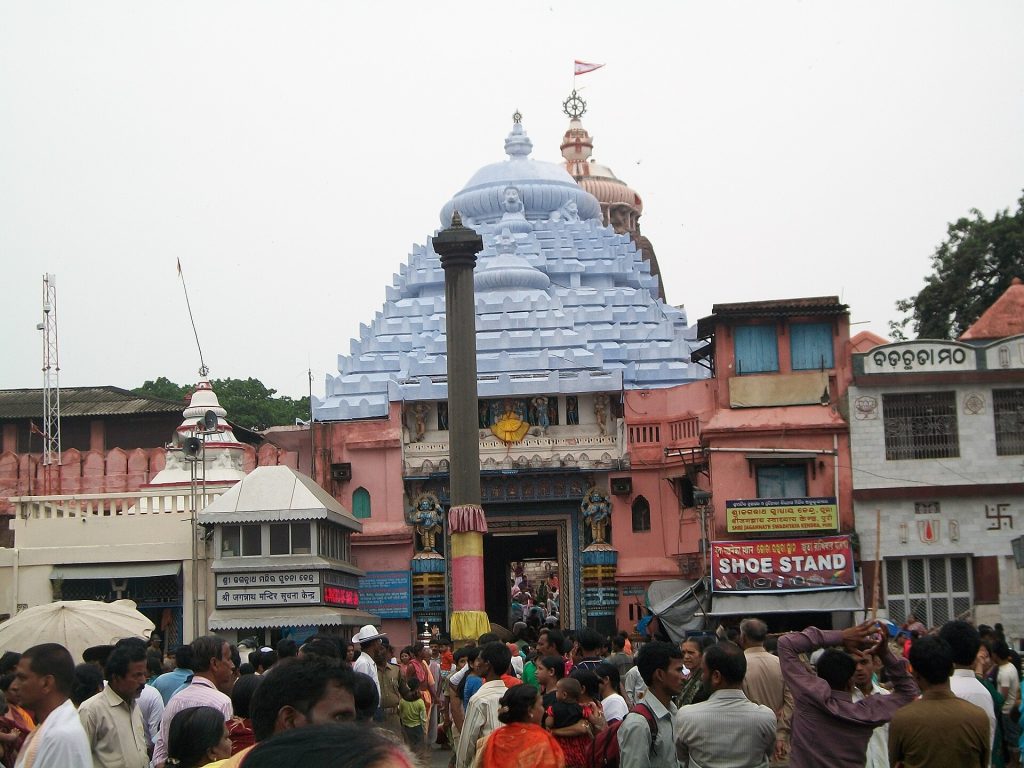
Brahma Purana The Brahma Purana, sometimes traditionally called the Ādi Purāṇa, is a Sanskrit Mahāpurāṇa combining creation accounts, genealogies, theology, pilgrimage traditions, temple praise, and sacred geography. Much of its surviving form is especially important for traditions connected with Odisha and the Godāvarī region.
Textual note: The title does not mean the entire surviving work is exclusively about Brahmā. Regional pilgrimage layers are central, and their historical growth should be acknowledged rather than treated as one datable original.
What Is the Brahma Purana?
The Brahma Purana, sometimes traditionally called the Ādi Purāṇa, is a Sanskrit Mahāpurāṇa combining creation accounts, genealogies, theology, pilgrimage traditions, temple praise, and sacred geography. Much of its surviving form is especially important for traditions connected with Odisha and the Godāvarī region. Its traditional sacred attribution and narrative speakers should be respected while remaining distinct from modern manuscript history.
Date, Growth, and Structure
Printed editions commonly contain roughly 245 chapters and are sometimes organized into Pūrva and Uttara portions, but chapter and verse totals vary. Traditional enumeration gives a much larger verse total than many surviving witnesses. Large pilgrimage sections and regional māhātmyas show that the compilation grew through transmission. Like other Purāṇas, it is a layered work revised and reorganized over time; one date cannot describe every chapter.
Major Contents and Teachings
- Creation, cosmic cycles, Manus, gods, sages, and royal genealogies
- Narratives of Sūrya, Pārvatī, Viṣṇu, Krishna, and other divine forms
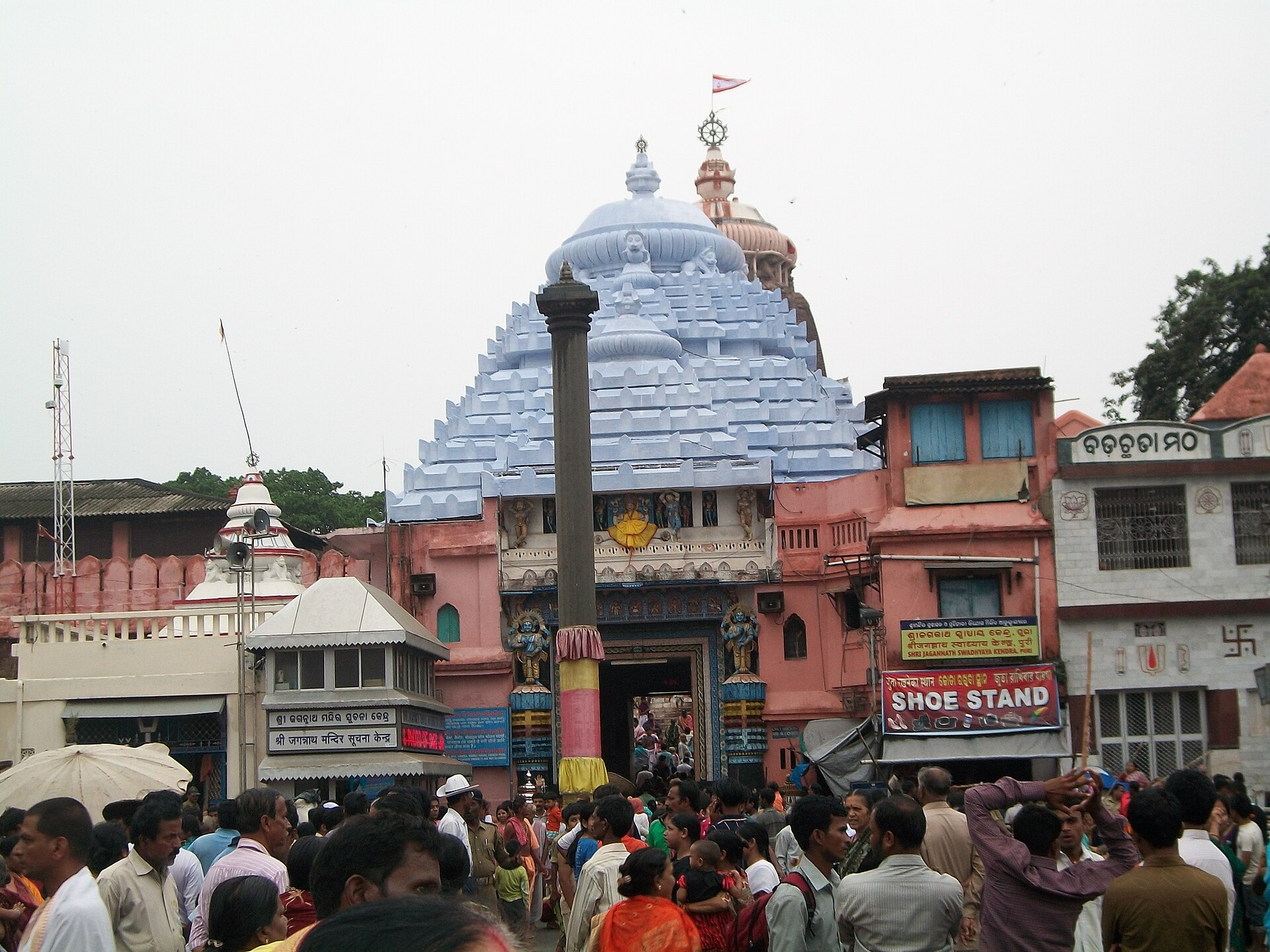
- Sacred geography connected with Puruṣottama/Jagannātha, Koṇārka, Odisha, and the Gautamī or Godāvarī
- Temple worship, images, gifts, vows, funeral and ancestral duties
- Yoga, liberation, and the religious value of pilgrimage
Text-Specific Highlights
Puruṣottama and Odisha: The surviving Brahma Purana devotes influential praise to Puruṣottama-kṣetra, associated with Jagannātha at Puri, and to other Odishan sacred places. Its temple and pilgrimage material helps explain why the text cannot be summarized only through creation myths. It maps divine presence onto a lived regional landscape.
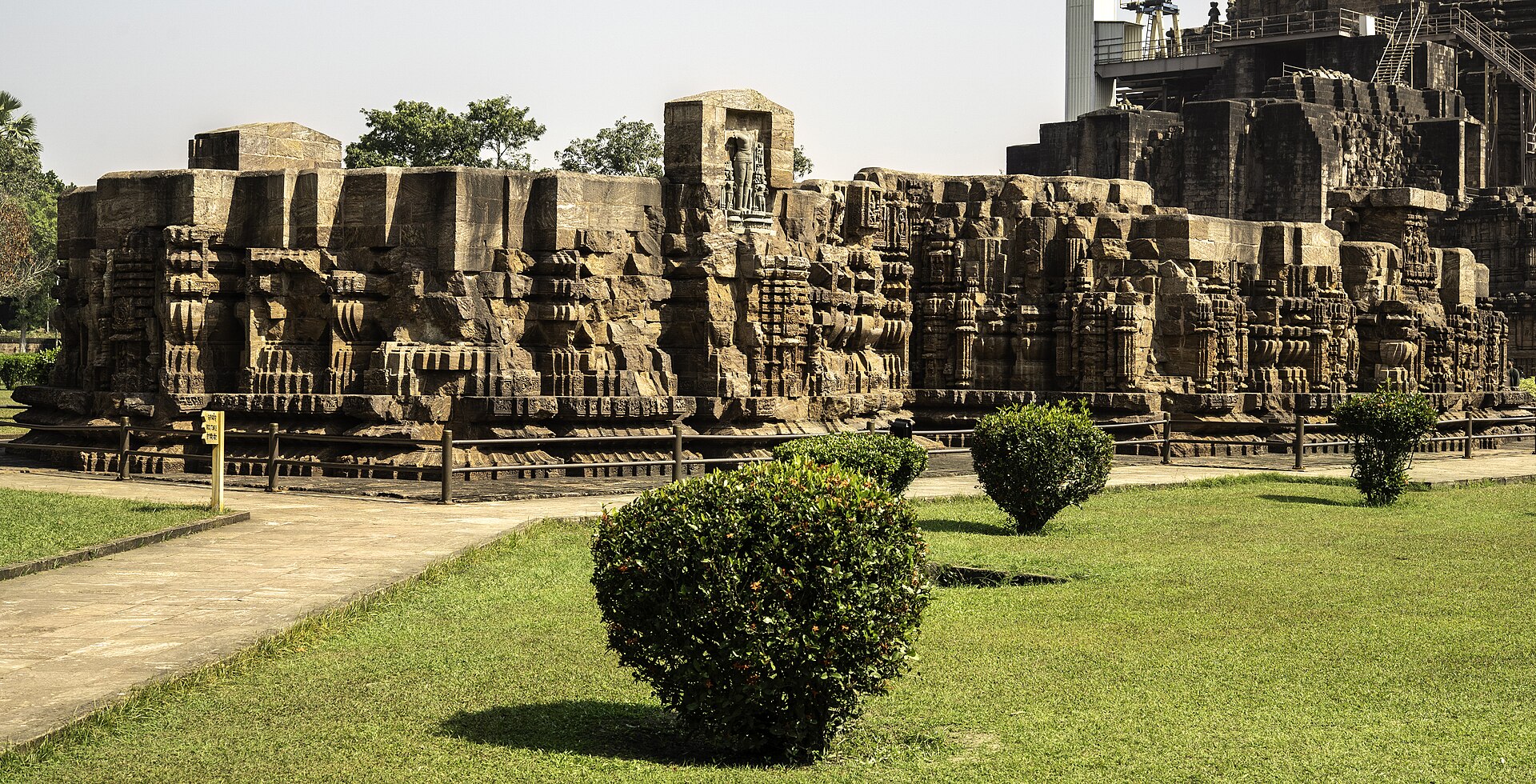
Koṇārka and solar devotion: Material connected with Sūrya and Koṇārka links sacred architecture, healing traditions, pilgrimage, and royal patronage. These chapters belong to a historical religious landscape; they should not be treated as one eyewitness architectural record from a single date.
The Gautamī or Godāvarī tradition: A large river-māhātmya praises places and rites along the Godāvarī. The section shows how a Purana can preserve a regional pilgrimage network inside a pan-Indian account of gods, dynasties, and cosmic time.
Theology and Religious Practice
The Brahma Purana is particularly valuable as evidence for how pan-Indian theology and regional sacred landscapes became woven together. Its place descriptions are religious praise, ritual maps, and cultural memory—not modern archaeological guidebooks. The work connects narrative with worship, ethical conduct, sacred place, remembrance, and liberation. Its theology should be read in conversation with parallel Purāṇas rather than as a reason for hostility toward another deity or lineage.
Narrative, Doctrine, and Context
The Purāṇa places creation, cosmic cycles, manus, gods, sages, and royal genealogies, narratives of sūrya, pārvatī, viṣṇu, krishna, and other divine forms, and sacred geography connected with puruṣottama/jagannātha, koṇārka, odisha, and the gautamī or godāvarī within a single sacred frame. These subjects are not random additions: Purāṇic literature connects the origin of the cosmos, exemplary lives, divine presence, ritual memory, and the geography of worship. A narrative may therefore teach theology, explain a festival, praise a place, and model ethical conduct at the same time.

Sacred Geography and Living Tradition
Pilgrimage and regional traditions should be approached as living religious maps. A māhātmya does more than provide directions: it explains why a river, temple, month, vow, or landscape is remembered as sacred. Local communities may preserve identifications and ritual customs that differ from another recension. The title does not mean the entire surviving work is exclusively about Brahmā. Regional pilgrimage layers are central, and their historical growth should be acknowledged rather than treated as one datable original. Respect for living tradition does not remove the need to identify manuscript layers, and textual criticism does not require dismissing devotional meaning.
Why This Purana Matters
The Brahma Purana is particularly valuable as evidence for how pan-Indian theology and regional sacred landscapes became woven together. Its place descriptions are religious praise, ritual maps, and cultural memory—not modern archaeological guidebooks. Studied carefully, the text shows how Hindu communities linked cosmic ideas with everyday worship, ethics, memory, artistic practice, and the hope of liberation. Its importance lies not only in famous episodes but also in the way generations of readers, reciters, pilgrims, and commentators gave those episodes meaning.
Mantras
Oṃ Namo Nārāyaṇāya — ॐ नमो नारायणाय
Traditional use: Vaiṣṇava remembrance and surrender to Nārāyaṇa. This related devotional mantra is included for practice context and is not assigned to a specific chapter without edition evidence.
Oṃ Brahmaṇe Namaḥ — ॐ ब्रह्मणे नमः
Traditional use: Reverence to Brahmā in traditions where this simple invocation is used; liturgical practice varies. This related devotional mantra is included for practice context and is not assigned to a specific chapter without edition evidence.
How to Read This Purana Responsibly
- Name the recension, part, and edition before citing chapter numbers.
- Distinguish scripture from later commentary, regional retelling, and modern symbolism.
- Compare parallel narratives without forcing them into one artificial version.
- Read ancient medical, legal, social, astronomical, or architectural prescriptions historically.
- Avoid miraculous guarantees, sectarian insults, and claims that one web summary contains every verse.
Common Questions
Is the Brahma Purana the oldest Purana?
Its traditional title Ādi Purāṇa means “first,” but this does not prove that every surviving chapter is historically the oldest Purāṇic text.
Is it only about Brahma?
No. Its extant contents are strongly mixed and include extensive Vaiṣṇava, solar, goddess, pilgrimage, and regional material.
Continue exploring: Visit the Hindu Puranas guide for the conventional eighteen Mahapuranas and related illustrated guides.
Sources and Further Reading
- J. L. Shastri, trans., The Brahma Purana, Ancient Indian Tradition and Mythology series.
- Ludo Rocher, The Purāṇas, A History of Indian Literature, for genre, dating, manuscript variation, and bibliography.
- R. C. Hazra, studies of Purāṇic records, chronology, rites, and textual layers.
- Cornelia Dimmitt and J. A. B. van Buitenen, Classical Hindu Mythology, for comparative Purāṇic narratives.
Editorial statement: This page is a sourced, recension-aware educational overview—not a complete translation. Narrative and scholarly material is independently paraphrased.
Explore More Purana Guides
Continue your study of the eighteen Mahapuranas with these related guides on HinduClarity.
- Hindu Puranas: Guide to the 18 Mahapuranas — the complete overview and index.
- Padma Purana
- Brahmanda Purana
- Bhavishya Purana
- Markandeya Purana
- Matsya Purana