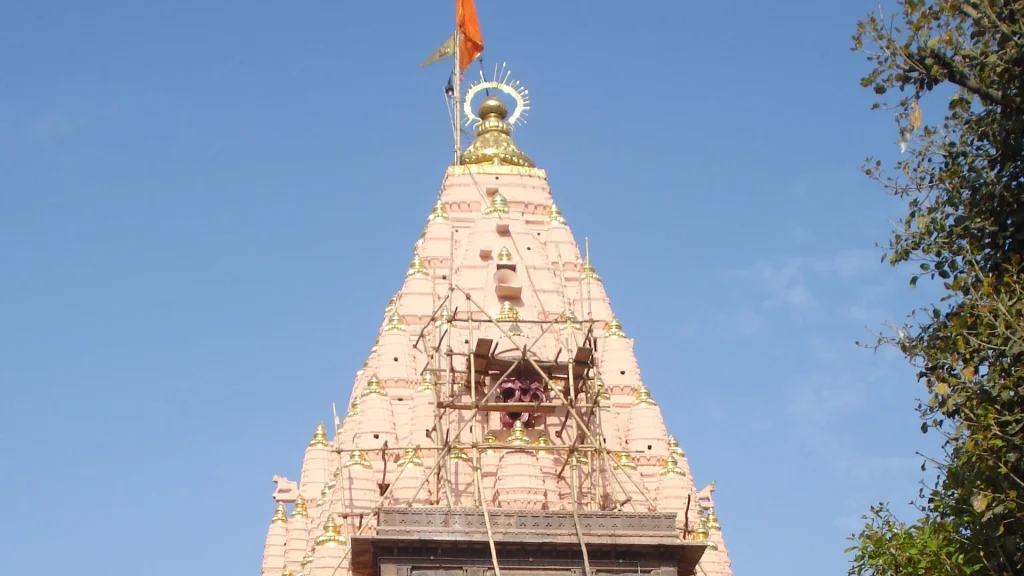
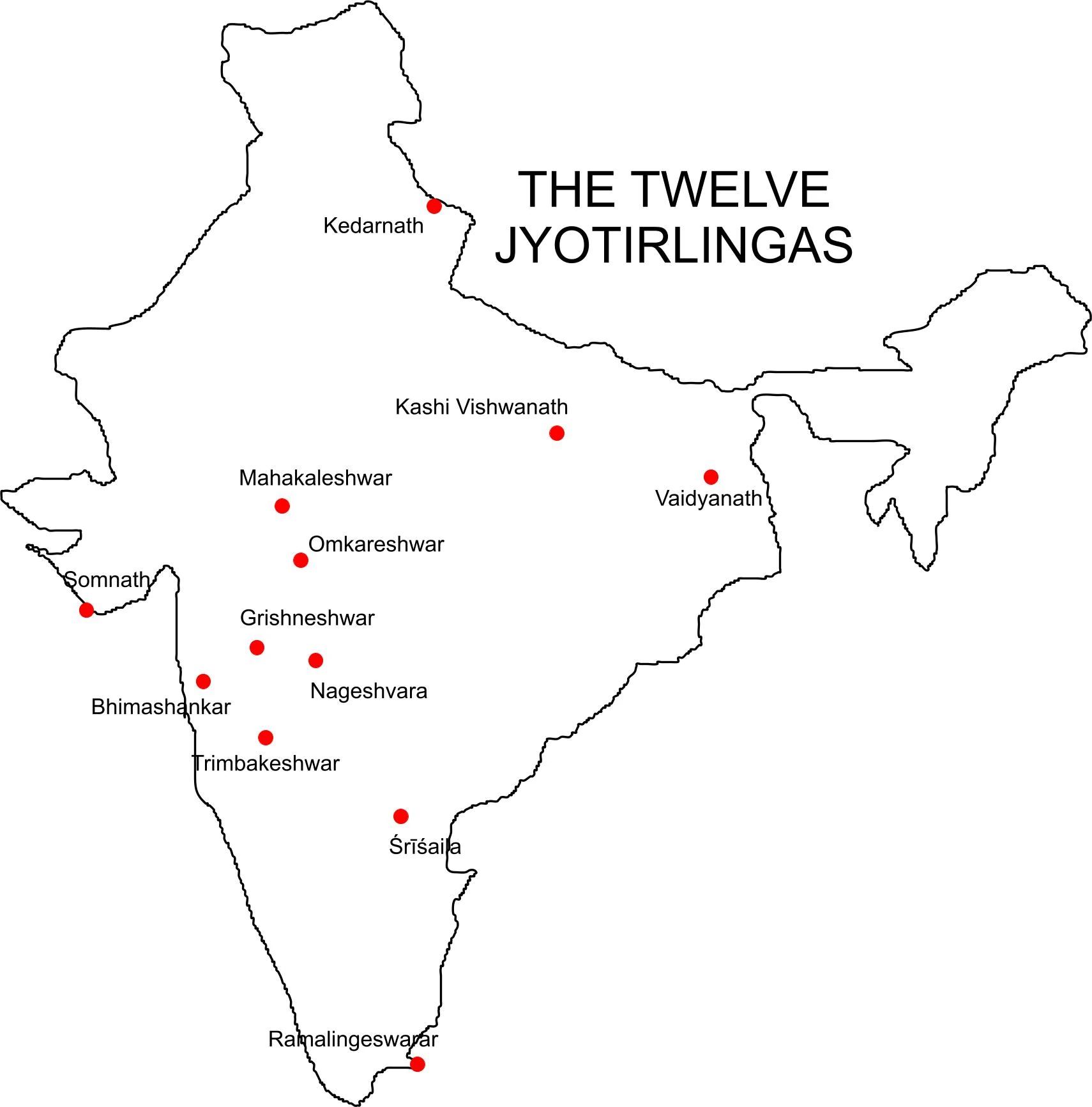
The twelve Jyotirlingas are a widely revered group of Shiva shrines located across India. A jyotirlinga is understood as a “linga of light,” expressing Shiva as a limitless divine presence rather than merely identifying a particular kind of stone. The commonly accepted pilgrimage list includes Somnath, Mallikarjuna, Mahakaleshwar, Omkareshwar, Kedarnath, Bhimashankar, Kashi Vishwanath, Trimbakeshwar, Vaidyanath, Nageshwar, Rameshwaram, and Grishneshwar.
This list is highly influential, but two entries require care. Vaidyanath and Nageshwar are associated with competing regional identifications, and devotees may defend more than one location through textual interpretation and local tradition. A culturally responsible guide should acknowledge those claims rather than presenting every modern location as historically uncontested.
The 12 Jyotirlingas at a glance
| Jyotirlinga | Commonly identified location | State | Sacred association |
|---|---|---|---|
| Somnath | Prabhas Patan | Gujarat | The Moon-god Chandra and renewal after decline |
| Mallikarjuna | Srisailam | Andhra Pradesh | Shiva and Parvati as Mallikarjuna and Bhramaramba |
| Mahakaleshwar | Ujjain | Madhya Pradesh | Shiva as Mahakala, Lord of Time |
| Omkareshwar | Mandhata Island | Madhya Pradesh | The sacred syllable Om and the Narmada River |
| Kedarnath | Garhwal Himalayas | Uttarakhand | Shiva, the Pandavas, and Himalayan pilgrimage |
| Bhimashankar | Near Pune | Maharashtra | Shiva’s victory over the asura Bhima |
| Kashi Vishwanath | Varanasi | Uttar Pradesh | Shiva as Lord of the Universe in Kashi |
| Trimbakeshwar | Trimbak, near Nashik | Maharashtra | The Godavari’s sacred geography |
| Vaidyanath | Usually Deoghar | Jharkhand | Shiva as healer; also claimed at Parli and elsewhere |
| Nageshwar | Near Dwarka | Gujarat | Shiva’s protection of a devotee; identification varies |
| Rameshwaram | Ramanathaswamy Temple | Tamil Nadu | Rama, Shiva, and the journey toward Lanka |
| Grishneshwar | Near the Ellora Caves | Maharashtra | The devotion of Ghushma or Grishma |
What is a Jyotirlinga?
The word combines jyotis, meaning light or radiance, with linga, a sign or emblem of Shiva. In Shaiva worship, the linga directs attention to Shiva in a form that transcends ordinary human depiction. It is commonly worshipped with water, flowers, bilva leaves, lamps, mantras, and circumambulation, although temple procedures differ.
A major narrative associated with the “linga of light” appears in the Lingodbhava tradition. Brahma and Vishnu encounter a limitless fiery column and seek its beginning and end. Neither can find the full extent of it. The account presents Shiva as immeasurable and challenges the attempt to contain ultimate reality through pride or limited perception. Different texts connect this cosmic symbolism to particular pilgrimage places in distinct ways.
The twelve shrines
Somnath
Somnath stands near the Arabian Sea at Prabhas Patan in Gujarat. Its name means “Lord of Soma,” another name for the Moon. A well-known sacred narrative tells that Chandra was cursed by Daksha and sought Shiva’s grace at this site, explaining the Moon’s waning and renewal. The temple has also been destroyed and rebuilt in different historical periods, making it a powerful modern symbol of cultural memory and reconstruction. Devotional narrative and documented architectural history should be distinguished rather than collapsed into one timeline.
Mallikarjuna
Mallikarjuna is worshipped at Srisailam, where Shiva and the Goddess are honored as Mallikarjuna and Bhramaramba. The temple is significant to both Shaiva and Shakta traditions, and Bhramaramba is commonly counted among the Shakti Pithas. Stories connect the site with Shiva and Parvati visiting their son Kartikeya. The forested mountain setting and the Krishna River are integral to its pilgrimage identity.
Mahakaleshwar
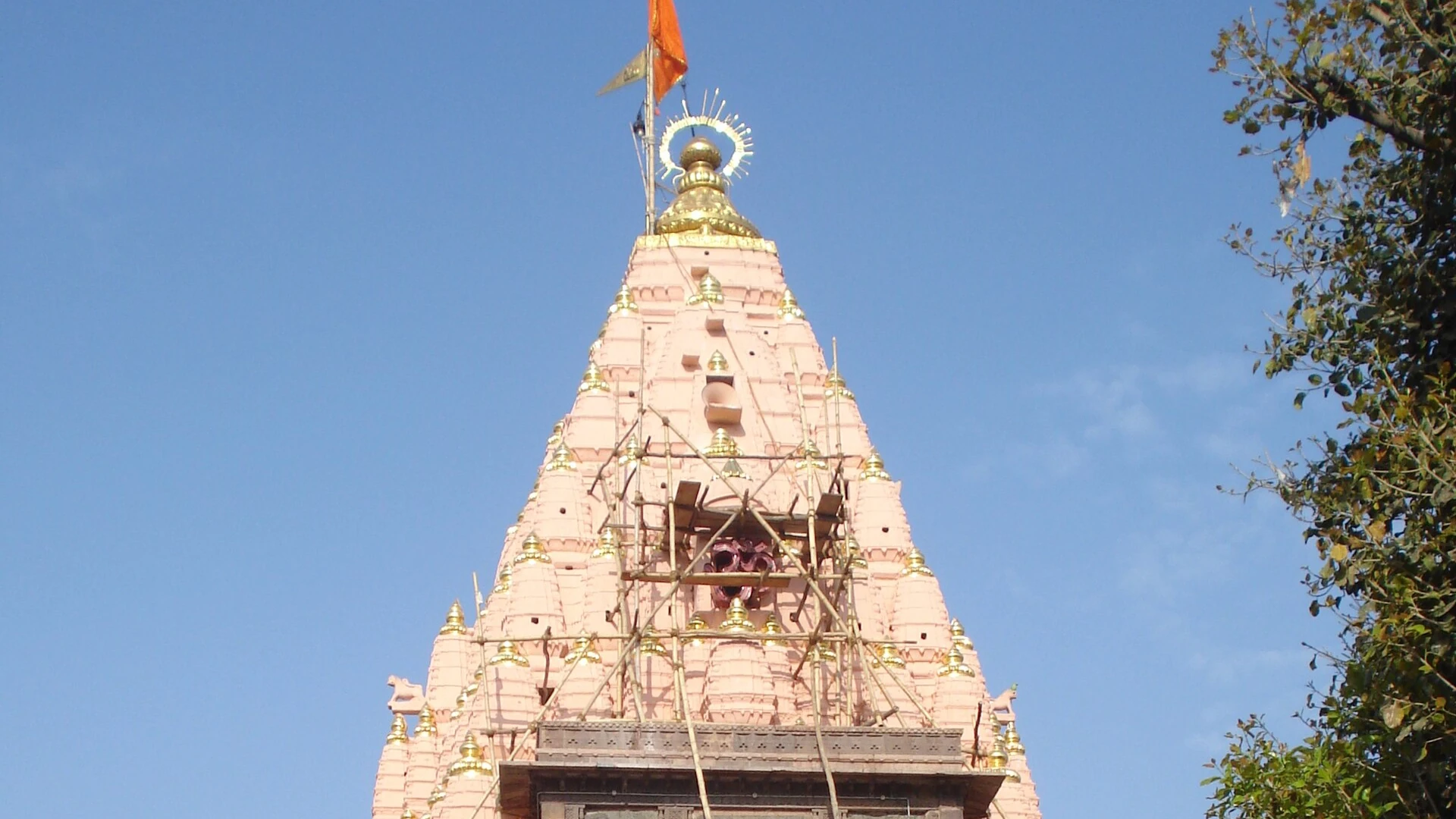
Mahakaleshwar is located in Ujjain, an ancient sacred city. Here Shiva is revered as Mahakala, the great power beyond time and death. The temple’s linga is traditionally described as svayambhu, or self-manifested. Mahakaleshwar is also known for the Bhasma Aarti. Because temple rules and booking procedures can change, visitors should consult the temple’s official information rather than relying solely on travel blogs.
Omkareshwar
Omkareshwar is situated on Mandhata Island in the Narmada River. Devotional geography often compares the island’s form with the sacred syllable Om, although maps and descriptions represent that resemblance in different ways. Worship in the area is associated with both Omkareshwar and the nearby Mamleshwar or Amareshwar temple. Some traditions treat these as complementary expressions of the sacred site rather than as interchangeable buildings.
Kedarnath
Kedarnath lies high in the Garhwal Himalayas and is also one of the Char Dham pilgrimage destinations of Uttarakhand. Mahabharata-linked traditions tell that the Pandavas sought Shiva after the war; Shiva avoided them in the form of a bull, and parts of that form became associated with the Panch Kedar sites. Severe weather means the temple is not accessible throughout the year. Anyone planning the journey should follow current government, temple, and health guidance because altitude and rapidly changing mountain conditions present genuine risks.
Bhimashankar
Bhimashankar is commonly identified with a temple in Maharashtra’s Sahyadri range. Its sacred narrative links Shiva with the defeat of the asura Bhima and the protection of devotees. The surrounding region is also ecologically important. Other places have preserved claims to the name Bhimashankar, illustrating the broader issue of matching concise Sanskrit place references to later regional geography.
Kashi Vishwanath
Kashi Vishwanath stands in Varanasi, also called Kashi, on the Ganges. Shiva is worshipped here as Vishwanath or Vishveshvara, “Lord of the Universe.” Kashi’s sacred literature associates the city with liberation, learning, death, and continuity, but these teachings should not be converted into deterministic promises about a person’s spiritual destiny. The living city includes householders, priests, pilgrims, ascetics, students, workers, and residents whose everyday lives extend far beyond a single religious image.
Trimbakeshwar
Trimbakeshwar is near the Brahmagiri hills and is closely connected with the source region of the Godavari River. The name invokes Shiva as Tryambaka, “the three-eyed one.” The temple’s ritual life includes practices connected with family remembrance and other rites. Visitors should arrange specialized rituals only through reputable local channels and should avoid online claims guaranteeing specific worldly or spiritual outcomes.
Vaidyanath
Vaidyanath or Baidyanath is most commonly identified with Deoghar in Jharkhand, where the temple is a major destination during the Shravani Mela. A famous narrative relates that Ravana performed intense devotion to Shiva and sought to carry a linga to Lanka. Parli Vaijnath in Maharashtra and Baijnath in Himachal Pradesh also possess traditions identifying their shrines with Vaidyanath. The Sanskrit verses used to locate the shrine have received different geographical readings, so the disagreement should be stated openly.
Nageshwar
Nageshwar is commonly placed near Dwarka in Gujarat and associated with Shiva’s protection of a devotee from danger. However, Aundha Nagnath in Maharashtra and Jageshwar in Uttarakhand are also identified by some communities with the traditional Nagesha or Naganatha Jyotirlinga. Rather than dismissing these traditions, it is more accurate to distinguish the widely circulated modern itinerary from the broader field of regional claims.
Rameshwaram
Ramanathaswamy Temple on Rameswaram Island connects Shaiva worship with the Ramayana. In widely told traditions, Rama worships Shiva before or after the campaign in Lanka. Versions differ over when the linga is established and whether Sita, Rama, or Hanuman plays the decisive role. The temple is also famous for its corridors and sacred water sites. It demonstrates how Vaishnava and Shaiva devotion frequently intersect rather than existing as sealed traditions.
Grishneshwar
Grishneshwar, also written Ghushmeshwar, is near the UNESCO-listed Ellora Caves in Maharashtra. Its narratives praise the steadfast devotion of a woman called Ghushma, Kusuma, or Grishma in different retellings. The present temple reflects later phases of construction and patronage. Its location makes it possible to encounter Shaiva, Buddhist, and Jain heritage within the wider Ellora landscape without treating those traditions as identical.
Why do some locations differ?
The twelve names circulated through Sanskrit verses and Puranic traditions long before modern maps, state boundaries, or standardized spellings. A brief place-name could be linked to more than one landscape, while temples developed their own pilgrimage histories and textual interpretations. Political patronage, travel routes, oral tradition, and regional devotion also shaped identification.
Consequently, “the twelve Jyotirlingas” can mean either a sacred textual list or a modern itinerary of twelve widely recognized temples. Those categories overlap, but they are not exactly the same. Recognizing this distinction does not diminish any shrine; it makes the history more transparent.
Visiting Jyotirlinga temples respectfully
- Check the official temple or government tourism website for opening times, entry rules, accessibility, photography restrictions, and festival arrangements.
- Wear clothing appropriate to an active place of worship and follow instructions from authorized temple staff.
- Do not assume that every visitor may enter every part of a temple. Local rules differ and may change.
- Use designated counters for donations and ritual bookings. Be cautious of anyone promising guaranteed cures, wealth, marriage, or liberation.
- For Himalayan travel, take altitude, weather, road closures, and medical fitness seriously.
- Avoid touching shrines, ritual objects, or worshippers unless the temple’s practice clearly permits it.
Frequently asked questions
Are there only twelve Jyotirlingas?
Twelve form the best-known sacred group. Many other Shiva lingas and temples are considered ancient, self-manifested, or exceptionally holy without belonging to this particular list.
Which Jyotirlinga should be visited first?
Popular lists often begin with Somnath, following the order of a traditional verse. This does not create a universal requirement that every pilgrimage physically begin there.
Can women worship at Jyotirlinga temples?
Women worship Shiva across Hindu traditions. Access to a temple’s innermost ritual area may be governed by local rules that differ by shrine and period, so current official guidance should be checked.
Do pilgrims have to visit all twelve?
No universal Hindu authority requires every devotee to complete all twelve. Some undertake the circuit as a vow or devotional aspiration; others worship at one shrine, at a local Shiva temple, or at home.
Does visiting a Jyotirlinga guarantee liberation or healing?
Sacred literature and devotional speech may praise pilgrimage in powerful terms. These statements express faith and religious value, not a medically or spiritually verifiable guarantee for every visitor.
Sources and further reading
- Encyclopaedia Britannica: Linga — overview of the linga’s meaning and place in Shiva worship.
- Shri Kashi Vishwanath Temple Trust — official information about Kashi Vishwanath Temple and visitor arrangements.
- Shri Badarinath Kedarnath Temple Committee — official Kedarnath pilgrimage and temple information.
- Srisaila Devasthanam — official information on Mallikarjuna and Bhramaramba at Srisailam.
- UNESCO World Heritage Centre: Ellora Caves — historical and architectural context for the sacred landscape near Grishneshwar.
- Ujjain District Administration: Mahakaleshwar Temple — government information on the Ujjain shrine.